

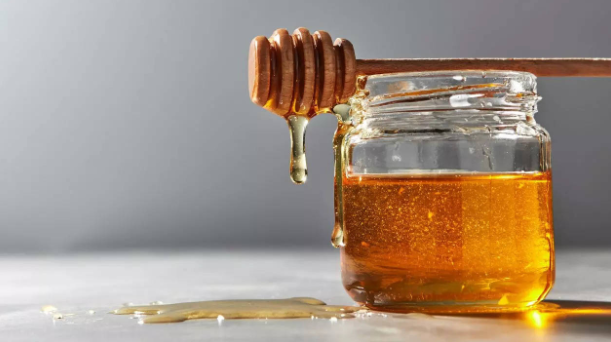
Not all honey tastes the same. Where bees collect nectar makes a huge difference in how honey tastes and what benefits it offers. Some regions make honey so good that people pay hundreds or even thousands of dollars for a single jar. The flowers growing nearby, the weather, and how beekeepers work with their bees all matter. Certain honeys have flavors you can’t find anywhere else. Others help heal wounds or fight infections. Finding great honey means knowing what makes each type special.
Many people now buy honey online to try rare varieties from far away. You can find everything from everyday honey to special cave-aged types. Some sell for more than gold by weight. What makes honey “best” depends on what you’re looking for: amazing taste, health benefits, or something truly unique.
What Makes Honey ‘The Best’?
The best honey combines great taste, purity, rarity, and health benefits. No single thing makes honey exceptional. Several qualities work together to create something really special.
Flavor Complexity and Aroma
Really good honey tastes like more than just sweetness. The flowers bees visit create different flavors. Some honey tastes light and floral. Others are bold and earthy.
What creates great flavor:
- Main taste from the flower nectar
- Extra notes like caramel or fruit
- How long does the flavor last
- Good balance between sweet and other tastes
- Strong, pleasant smell
Purity and Production Methods
Pure honey contains only what bees make. The best honey stays raw and unfiltered. Heating honey kills helpful enzymes and reduces nutrition.
Traditional beekeepers often make better honey than big factories. Raw honey keeps its natural color, texture, and all the good stuff. Filtering removes pollen that proves where honey comes from. Less processing means honey stays exactly how bees made it.
Rarity, Heritage, and Unique Floral Sources
When honey is hard to find, it becomes more valuable. Some flowers bloom for only a short time or grow in hard-to-reach places.
What makes honey rare:
- Flowers that bloom for only weeks
- Remote harvest locations
- Few bees in certain areas
- Old-fashioned methods that take more time
- Deep cultural and historical connections
Health Benefits and Medicinal Properties
Great honey does more than sweeten food. Some types kill bacteria powerfully. Others reduce inflammation or help digestion. Scientists have proven that certain honeys really work as medicine. Special enzymes, antioxidants, and unique compounds turn honey from a sweetener into a health food.
Top Countries and Regions Famous for Honey
Some countries make honey so good that people know them for it worldwide. The right location, weather, and beekeeping skills create perfect conditions.
1. USA – Tupelo and Sourwood Honey
American Tupelo honey from Florida and Georgia swamps ranks among the world’s finest. The White Ogeechee Tupelo tree blooms for only three weeks each year. This honey never turns hard or grainy like other honey does.
What makes Tupelo honey special:
- Beautiful light golden color and smooth texture
- Sweet fruity-floral taste that’s not too strong
- Better for blood sugar than regular honey
- Incredibly smooth mouthfeel
- Stays liquid forever in the jar
Sourwood honey from the Appalachian Mountains is another American treasure. It has a delicate taste with light licorice notes. Both types show off generations of American beekeeping skill. The short bloom times and specific locations keep these honeys rare and special.
If you want real Tupelo honey, Smiley Honey brings the swamp-harvested sweetness right to your table. Since 1989, they’ve kept every drop full of natural flavor and goodness.
2. New Zealand – Manuka Honey
New Zealand’s Manuka honey is famous for its natural healing power. It comes from bees that collect nectar from native Manuka bushes. The UMF number on the jar shows how strong its antibacterial qualities are higher numbers mean it’s more powerful and usually more expensive. Some types are even used to treat cuts and burns. Strict rules protect real Manuka honey, and scientists have proven that it truly works
3. Yemen – Sidr (Jujube) Honey
Yemen’s Sidr honey is one of the world’s priciest honeys. Bees gather nectar from wild Sidr trees in remote mountains. Harvest happens only twice each year. The honey tastes rich with hints of caramel and dates. Traditional beekeepers use methods passed down for generations. Problems in Yemen make this honey harder to find every year.
4. Turkey – Elvish and Anzer Honey
Turkey makes some of the world’s rarest honeys. Elvish honey comes from a cave that goes 1,800 meters deep in northeastern Turkey. This unusual honey ages in mineral-rich cave conditions.
Turkish honey types:
- Elvish honey from deep caves
- Anzer honey from high mountain plateaus
- Special local flowers create unique tastes
- Old harvesting methods are still used
- Very limited amounts are made each year
5. Spain – Miel Lo Mejor del Bierzo
Spanish beekeepers in the Bierzo region make excellent honey from many flower types. The mountains and changing weather support lots of flowering plants. Spanish honey rules ensure quality and realness. Regional types include rosemary, orange blossom, and wildflower honeys. Spain’s beekeeping traditions go back centuries.
6. Hungary – Acacia Honey
Hungary’s Acacia honey is prized for its pale color, light, and gentle flavor. Thanks to its high fructose content, it stays liquid much longer than most honeys, resisting crystallization. Its mild taste makes it perfect for sweetening tea or coffee and pairing with any food, making it one of Europe’s most popular honeys.
7. Ethiopia – White Honey from Tigray
Ethiopian white honey from Tigray has unique qualities. The pale color and mild taste come from specific local plants. Traditional clay hive beekeeping continues in remote areas. This honey connects to ancient Ethiopian culture and religion. The special location creates flavors you can’t find elsewhere.
8. Australia – Leatherwood and Manuka
Australia makes distinctive Leatherwood honey from Tasmania’s old rainforests. This honey has a bold, strong flavor that people either love or don’t like.
Australian honey types:
- Leatherwood from Tasmanian forests
- Manuka that competes with New Zealand’s
- Many regional varieties from huge landscapes
- Very clean environment
- Strong quality standards
Unique and Luxurious Honeys Around the World
Some honeys go beyond ordinary to become luxury items. Being rare, hard to harvest, and having special properties makes them exclusive.
Tupelo Honey (USA) – The Gold Standard for Flavor and Health
Tupelo honey represents the best of American honey. The White Ogeechee Tupelo tree grows only in specific swamp areas of Florida and Georgia. The three-week bloom creates fierce competition among beekeepers for the best spots.
Why Tupelo honey stands out:
- Never gets hard or crystallized
- Lower glycemic index helps with blood sugar
- Full of antioxidants and helpful enzymes
- Smooth, buttery texture melts instantly
- Gives natural energy without sugar crashes
Customers call Tupelo honey “food from the gods” with perfect sweetness. The fruity-floral taste creates an amazing experience. This honey works great on hot biscuits, in tea, with oatmeal, or eaten straight from the jar on a spoon.
Elvish Honey (Turkey) – Cave-Aged, Rare, and Expensive
Elvish honey holds records as one of the world’s costliest honeys. Harvesters pull it from a deep cave in Turkey’s Saricayir Valley.
Why does Elvish honey cost so much?
- Ages in mineral-filled cave conditions
- Incredibly small amounts available
- Dangerous and difficult to collect
- Complex taste with mineral notes
- Costs over $5,000 per kilogram
Sidr Honey (Yemen) – Wild-Harvested from Sidr Trees
Wild Sidr honey shows centuries of Yemeni beekeeping tradition. Bees visit Sidr trees growing in harsh mountain conditions. The thick texture and dark color show high quality. Traditional medicine values its healing properties. Real Sidr honey costs several hundred dollars per kilogram.
Manuka Honey (New Zealand/Australia) – Exceptionally High in Antibacterial Compounds
Manuka honey’s medical uses make it different from other honeys. The methylglyoxal content creates powerful bacteria-fighting effects.
How Manuka helps medically:
- UMF numbers show strength levels
- Treats cuts, burns, and infections
- Helps with digestive problems
- Hospitals use it in treatments
- Scientists keep studying its benefits
Criteria for Finding Authentic ‘Best’ Honey
Finding genuinely great honey takes knowledge and careful checking. Several factors show authenticity and quality.
Certified Origin and Branding
Real honey producers share clear details about where their honey comes from. Good labels tell you the harvest location and date, so you know exactly when and where it was collected. They also mention which flowers the bees visited to make that honey. Look for certification marks or numbers that show the honey meets quality standards, and contact details in case you have questions. Some producers even include lab test results to prove their honey is pure and high quality.
Testing for Purity and Quality
Lab testing proves honey is real. Tests find added sugars, antibiotics, or bad stuff. Pollen analysis confirms where honey really comes from. Moisture level affects how long honey stays good. Independent testing gives buyers confidence. Good sellers share test certificates with customers.
Raw vs Commercial/Processed Honey
Raw honey keeps all natural enzymes, pollen, and good compounds. Commercial processing uses heat and filters.
Raw versus processed differences:
- Raw keeps natural enzymes and nutrients
- Processing makes honey last longer, but removes its benefits
- Raw honey might naturally crystallize
- Filtered honey looks clearer
- Raw honey costs more because of less processing
Where to Buy the World’s Best Honey
Getting premium honey means knowing reliable sources. Different buying options have different advantages.
Specialty Stores and Gourmet Markets
High-end food stores pick excellent honey collections. Knowledgeable staff helps customers choose the right varieties. Tasting chances let buyers try before buying.
Good things about specialty stores:
- Expert help available
- Taste before buying
- Carefully chosen premium brands
- See products in person
- Take it home right away
Reputable Online Suppliers
Online shopping gives access to rare honeys straight from producers. When you buy honey online, check the seller’s reputation and reviews. Honest suppliers give information about where honey comes from and how it’s made. Buying direct from producers cuts out middlemen. Customer reviews help guide buying choices and confirm product quality.
Local Beekeepers and Farm Shops
Local beekeepers and farm shops offer fresh, unprocessed honey while supporting small producers and local agriculture. Buying directly means you can learn how the honey is made, enjoy fresher products with minimal transport, pay lower prices without store markups, and possibly benefit from local allergy relief.
Conclusion
The world’s best honey comes from different regions with unique flowers and traditional methods. America’s Tupelo honey, New Zealand’s Manuka, Yemen’s Sidr, and Turkey’s Elvish represent honey excellence. What makes honey “best” depends on what matters to you: flavor, rarity, or health benefits. Getting authentic premium honey means choosing reputable suppliers carefully. The global honey market offers amazing varieties for every taste and budget. Exploring exceptional honeys connects people to traditional beekeeping cultures worldwide.
FAQs
Which country produces the best honey in the world?
The United States, New Zealand, Yemen, Turkey, Spain, Hungary, and Ethiopia are among the top countries known for making some of the world’s finest and most wanted honeys.
What is considered the best honey in the world?
Tupelo honey from the USA, Manuka honey from New Zealand, Sidr honey from Yemen, and Elvish honey from Turkey are often ranked as the best globally.
Where can I buy authentic world-class honey?
You can buy authentic, high-quality honey from trusted online retailers, specialty food stores, local beekeepers, and farm shops that give origin information and purity testing.
Why is some honey so expensive?
Some honey costs a lot because it’s rare, takes hard work to harvest, comes from specific flowers, or has amazing healing properties like Manuka and Elvish honey.
How can I ensure the honey I buy is genuine?
Make sure your honey is real by choosing certified brands, looking for details about where it comes from, and picking honey that’s been tested for purity.